Table Of Content
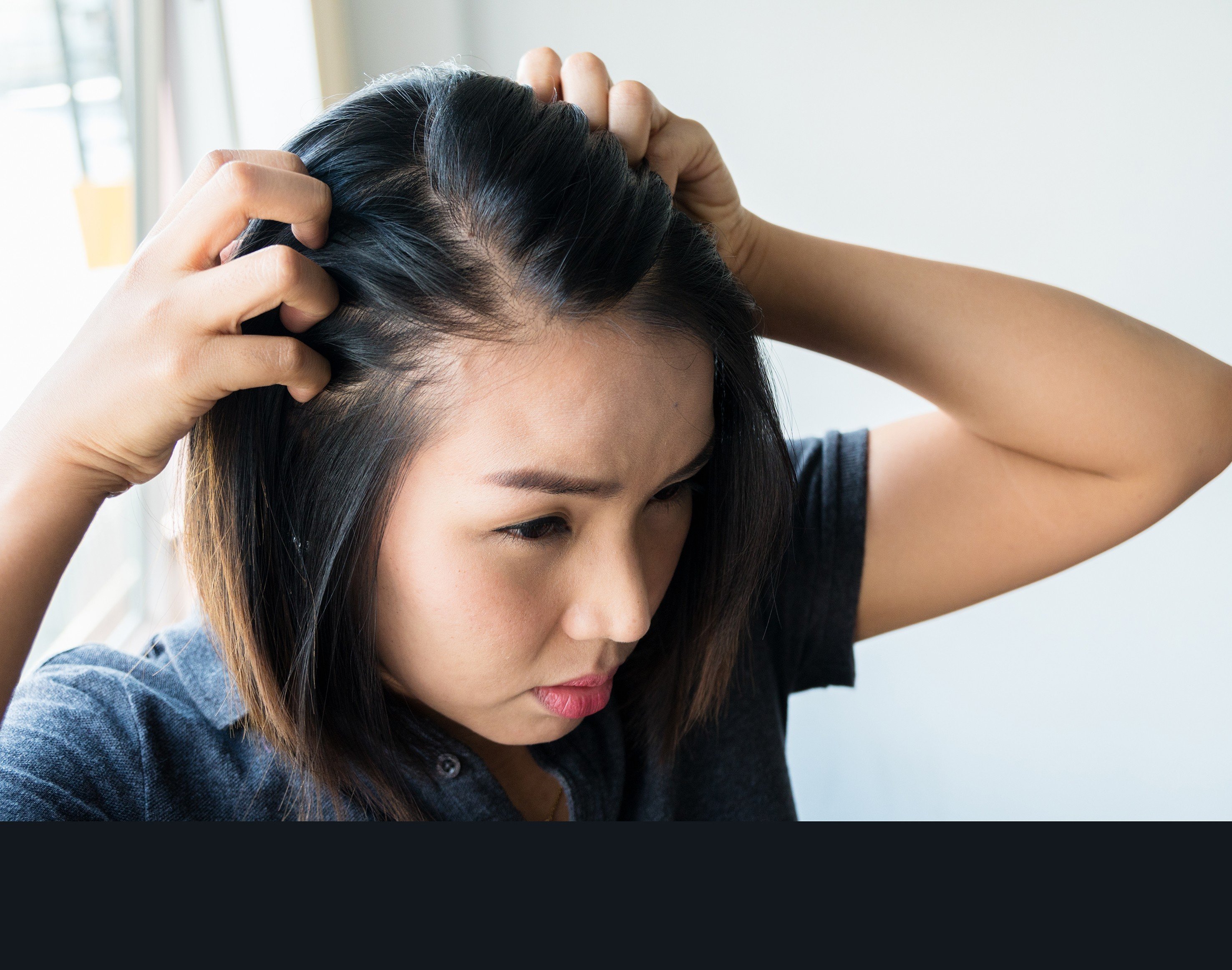
Hair shedding usually starts within seven to 14 days of the first administration, and hair loss becomes evident one to two months after. In some cases, especially in those who take multiple cycles of chemotherapy, hair loss may be almost complete. After stopping the medication, hair regrowth may take up to three months. The incidence of hair loss with these medications may depend on your dose, age, and duration of treatment. Mood stabilizers are commonly used to treat certain mental health conditions, like depression or bipolar disorder and sometimes epilepsy.
Male-pattern baldness
Drugs cause hair loss by interfering with the normal cycle of scalp hair growth. During the anagen phase, which lasts for two to seven years, the hair grows. During the telogen phase, which lasts about three months, the hair rests. At the end of the telogen phase, the hair falls out and is replaced by new hair. On the whole, it’s important that you speak with your doctor about any symptoms you’re experiencing. A dermatologist can provide a proper diagnosis, and select a personalized treatment that will help restore health to you hair and scalp.
When to contact a doctor

In women and others with female reproductive organs, its most common cause is polycystic ovary syndrome (PCOS). Along with hair loss, other signs of PCOS include weight gain, acne, and irregular periods. When you undergo chemotherapy for cancer treatment, your hair cells in the anagen growth phase stop growing. There has been success in hair regrowth using low-level laser-based devices. The devices come as hats, helmets, caps, combs, and headbands. The laser technology stimulates the scalp and hair follicles, promoting hair growth and blood flow.
cancer and cancer treatments
However, hair loss is a possible side effect of many different medications. After chemotherapy treatment, the hair usually grows back in very quickly, but it may change in texture. In rare cases, the hair will stay thin even after treatment has been stopped.
Mayo Clinic Minute: Expert advice for women with thinning hair
Anti-depressants very rarely cause long-term follicle damage, so it may be wise to stick with your treatment until your doctor can find a suitable substitute. There are many categories of prescription drugs that have been reported to cause hair loss, and the medications listed below present a risk of temporary hair loss as a possible side effect. Factors such as dosage, duration of treatment, and normal variations in how people respond to medications determine the degree of hair loss that may occur, if any. In most cases, hair growth resumes around three to four months following the discontinuation of the medication. Doctors originally prescribed minoxidil for severe high blood pressure but found it caused excessive hair growth in its oral form in 20% of users. Scientists developed a topical version in 1987 specifically for androgenic alopecia in males and then later for female pattern hair loss (FPHL).
One type acne of vitamin A-derived medication, isotretinoin (Accutane) and tretinoin (Retin-A) can cause hair loss. Because there can be other serious side effects as well, you may want to discuss other options with your dermatologist. A person can also take certain supplements to help slow hair loss. However, it is important to discuss supplements with a doctor, as receiving too much of certain nutrients can accelerate hair loss.
Signs of drug-induced alopecia
So, while some people taking weight loss drugs have reported hair loss, that loss could be due to malnutrition. In particular, the systematic review notes that nicotine narrows blood vessels, which lowers the amount of blood flow to the scalp. Moreover, nicotine also causes inflammation of the hair follicle and makes neurotransmitter receptors less sensitive.

Hair may fall out when shampooing or brushing hair, but it does not fall out in clumps. Minoxidil (Rogaine) is a topical medication (the type you apply to your scalp) approved by the FDA for female pattern hair loss. It takes about 6-12 months of this once-daily use foam treatment to see results. Effective treatments for some types of hair loss are available. With some conditions, such as patchy hair loss (alopecia areata), hair may regrow without treatment within a year.
Some forms of hair loss are temporary, while others, like pattern baldness, are permanent. Studies conducted by the manufacturer of Femara were evaluated to assess hair loss compared with other breast cancer treatments. There are several telehealth companies offering hair loss medications. This medication is FDA-approved to treat and manage heart failure and high blood pressure. However, doctors can also prescribe it for FPHL if other treatments have not worked.
It works by binding to the 5-alpha reductase enzyme and stopping it from converting testosterone into dihydrotestosterone (DHT). There are several steps to make a diagnosis of drug-induced alopecia and decide on the appropriate course of action. Taking too high of a dose can lead to side effects, so it’s always best to check with a healthcare professional before adding any new supplements to your diet. You can only receive PRP therapy from a healthcare professional.
Crohn's and hair loss: Causes, tips, and outlook - Medical News Today
Crohn's and hair loss: Causes, tips, and outlook.
Posted: Thu, 28 Apr 2022 07:00:00 GMT [source]
While research supporting the benefits of acupuncture remains limited, acupuncture is considered a fairly safe treatment when performed by a trained and licensed acupuncturist. Your doctor can order blood tests to check your iron and zinc levels and recommend the right dose of supplement for your deficiency level. You can only receive corticosteroid injections from a healthcare professional. You also have the option of topical corticosteroids, but they aren’t necessarily as effective. Oral corticosteroids may cause a range of unwanted side effects.
Before pursuing hair loss treatment, talk with your doctor about the cause of your hair loss and treatment options. This cause of hair loss can be challenging to identify, given the delay between the trigger and the onset of hair loss. While hair loss isn’t itself dangerous, losing your hair is an emotional experience. Unwanted changes to your appearance can influence your self-esteem and social life. Some people find comfort in talking with a mental health professional if their hair loss causes discomfort.
Male-pattern baldness typically appears first at the hairline or top of the head. This article will cover medications that can cause hair loss, why it happens, and tips on preventing, stopping, or reversing this effect. A healthcare provider might recommend using minoxidil (Rogaine®).
Remember, never stop taking a medication without discussing it with your doctor. In addition to nicotine, cigarettes and cigarette smoke contain more than 7,000 components. Health experts recognize smoking as a major preventable cause of premature death and disability in the United States.




No comments:
Post a Comment