Table Of Content
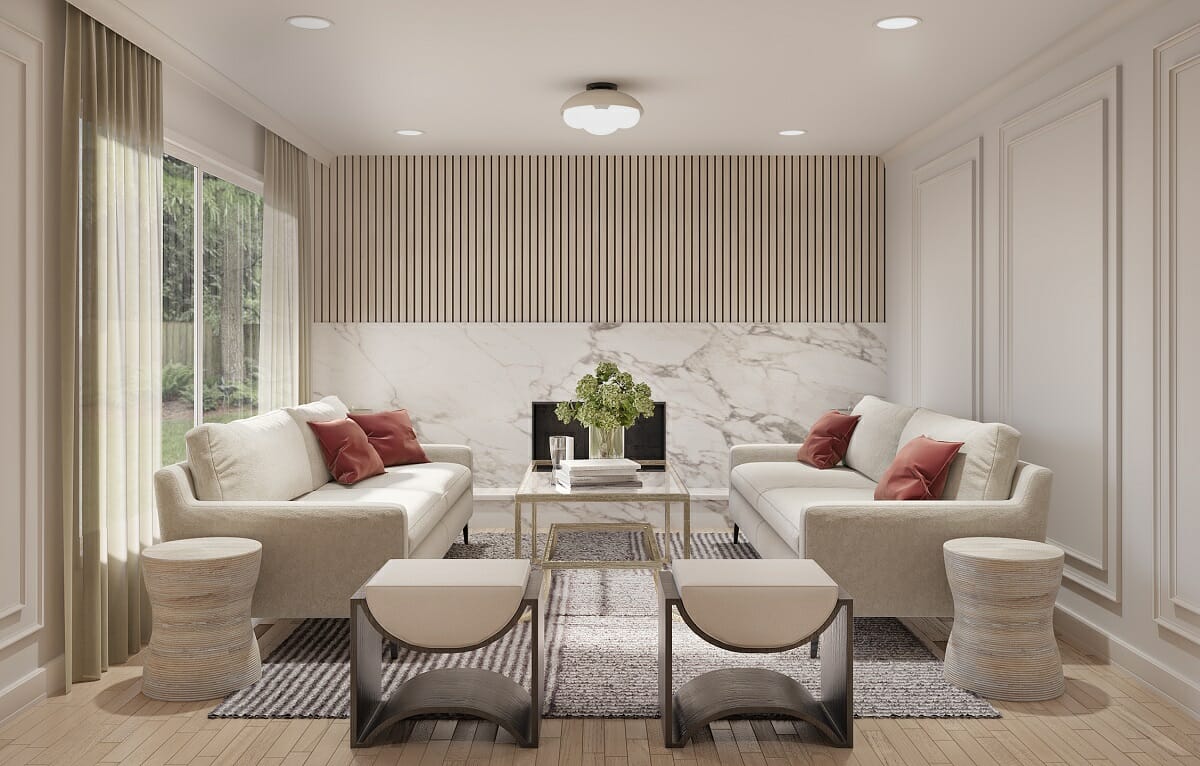
Here are a few tips to infuse symmetrical balance while making your kid’s bedroom look fun and vibrant. The hour of the day, and whether it’s seen in natural light or artificial will affect a color’s properties, so success in using it means considering this before making a selection. Dimmer switches allow changes of atmosphere to be achieved with the lighting, while the choice of the light fixtures and fittings themselves will contribute to the room’s appearance. An appropriate balance between the two is vital for a room to feel well laid-out. One with more negative space will feel more spacious, larger and perhaps bigger – but too much negative space can also make a room feel under-furnished and impersonal.
Symmetry
M.R. Studio Channels a Balanced Lifestyle into the Green Experience Pavilion in Foshan, China - Interior Design - Interior Design
M.R. Studio Channels a Balanced Lifestyle into the Green Experience Pavilion in Foshan, China - Interior Design.
Posted: Fri, 13 Nov 2020 08:00:00 GMT [source]
Focal points are essential in achieving an asymmetrical balance because they guide the viewer’s eye through the space, creating a sense of movement and harmony. They can be anything from a piece of artwork, a window, or a statement piece of furniture. Incorporating pet-friendly rugs in your living space can also contribute to an asymmetrical balance. You can layer rugs of different patterns and sizes to create a sense of depth and dimension. For example, place a large, solid-colored pet-friendly rug on the floor and then layer a smaller, patterned rug on top.
Home Remodel Designers Near Me or Havenly Online Interior Designers?
Unlike asymmetrical balance, radial balance is easy to achieve in interior spaces because you work from the center of the room. The radial balance translated to interior spaces relies on aligning design elements, such as chairs, around a table. The room is decorated with a reasonably-sized sectional sofa pitted against smaller accent chairs with contrasting colors. Unlike the symmetrical design that relies on uniformity, you will achieve asymmetrical balance by using opposing styles, including furniture sizes, colors, textures, and shapes. In the best case, you want to avoid mirroring elements, so you can opt for an end table on one side and a shelf or lampstand on the other. Interior design balance is a design principle used to distribute the visual weight of elements in a space so it feels complete, stable, and comfortable.
Can asymmetrical design principles be applied to rooms without windows?
Of course, this is the most important element in your space, so make sure the focal point aligns closely with your vision for the room.
Things To Avoid While Designing Your Symmetrical Home Interiors
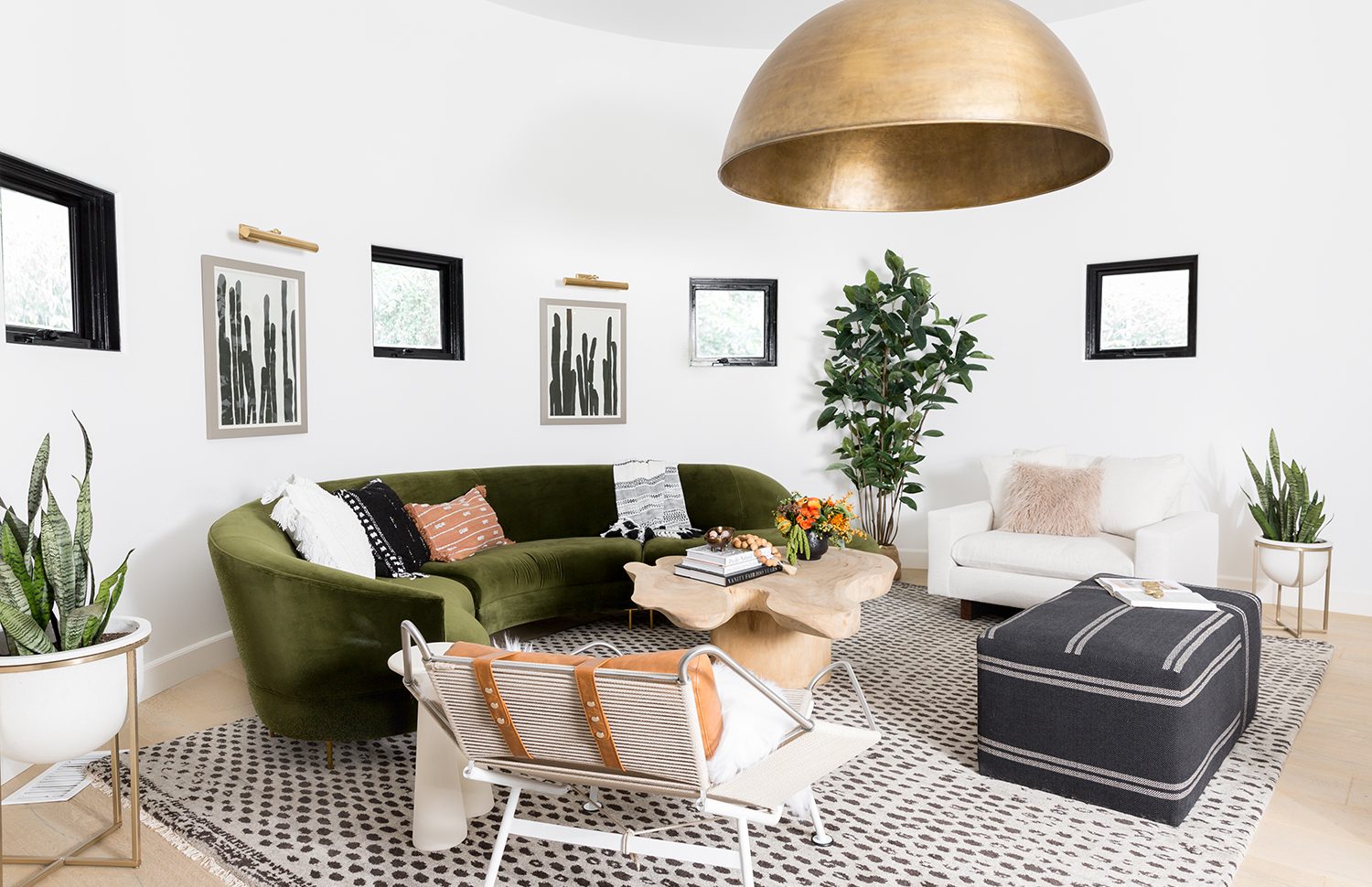
In interior design, balance is vital for establishing a sense of stability and harmony in a space. One effective way to create balance is by designing focal points that grab attention and evoke visual interest. A focal point can become the center of a room, and it serves to keep the eye engaged and guide the viewer throughout the space. Another approach is using furniture and accessories in various shapes, sizes, and heights. This creates a space with multiple levels, distributing the visual weight evenly around the room.
In this guide, we’ll delve further into how to use contrast in interior design to improve a space. Color theory can be applied to enhance asymmetrical balance by choosing colors that create visual harmony and interest. For example, you can use complementary colors to create a dynamic yet balanced effect or use analogous colors for a more subtle and harmonious look.
Achieving balance in interior design is crucial for making a space feel inviting, comfortable, and aesthetically appealing. Imagine a living room where one side features a large, bold painting while the other has a collection of smaller framed artworks. Although the two halves of the room aren’t identical, they still feel balanced because the visual weight of the objects is evenly distributed. This is a prime example of how asymmetrical balance can create a less formal or rigid design scheme that appeals to the eye.
Pink Decor for Any Room—15 Gorgeous Spaces Designers Love - Architectural Digest
Pink Decor for Any Room—15 Gorgeous Spaces Designers Love.
Posted: Tue, 14 Feb 2023 08:00:00 GMT [source]
This beautiful coffee table book is full of inspiration and information, a perfect place to start when redecorating a scheme. While textbook symmetry looks like a formal mirror image, everyone gets a hall pass when it comes to modern and relaxed symmetry. Doubling down on symmetry, Frazier repeated identical bedside tables and dabbled in matching colors.
b) Radial Balance in Bedroom Designs
It features mis-matched sofas, accent chairs, and side tables, yet still feels evenly weighted — thanks in part to the symmetrical mantel sconces and wall paneling, as well as the tight color palette. Embracing asymmetry definitely takes a sharp eye, but doing so creates less structured, more intriguing spaces. On the other hand, asymmetrical balance is achieved by using different shapes, colors, or sizes of elements while still maintaining a feeling of equilibrium.
They’re prized for giving a feeling of freedom and can make a room seem taller. Choosing a tall piece of furniture, for example, can lead the eye upwards and visually heighten the room. In other words, a design has asymmetrical balance when the two sides are different but have the same amount of visual weight. Unlike symmetrical balance, we don’t use the same design elements on both sides. Remember that symmetry balance happens when you repeat design elements (transitional) or mirror them along a central axis (mirror). Balance in interior design is the arrangement of elements so that none stands out more than the others.
Remember that the perfect balance of design and function in your room can be achieved by creating a natural flow of movement while ensuring that each item complements the other visually. Creating such focal points and incorporating visual interest is not limited to just one element in the room. Using a pop of vibrant color or introducing an eye-catching pattern are excellent ways to create accents that add character to the room without sacrificing balance and harmony in interior design. When it comes to creating balance through spatial distribution, considering scale, proportion, and flow is important. Large furniture items can be balanced with smaller ones, and tall items paired with shorter ones. Mixing various shapes and forms adds visual interest and helps maintain the overall balance of the space.




No comments:
Post a Comment